Smart Goals
It can happen to you. It can happen to me. The loss of motivation in setting any new goals and losing the momentum that keeps you going. There are times when this can happen to everyone. Most people have an understanding as to why they chose their field of study or profession but lack some structure to keep them aligned on their path. What can be helpful in a lot of situations is setting some SMART goals. SMART goals can be applied to academic studies, adding a framework to a semester. They can also be applied to career changers or those who lose their jobs to propel them into a new job situation or different career choice. SMART goals can be applied to very different goals, facilitating personal growth and even enhancing mental health and wellness. They can also be applied to improving your personal relationships.
Most people feel satisfied when they have something to strive for and feel a sense of achievement in their lives. More importantly, if one area isn’t going the way you want it to, it helps if another area is going well and providing some fulfillment. This can help to take your mind off the things that didn’t turn out the way you wanted them to and place your focus somewhere else. This can also prevent you from spiraling into a preventable depression and catastrophizing the situation and avoiding all or nothing thinking. For example, “I failed one exam, therefore I must be a total failure”. This is most likely untrue and bound to make you feel much worse. Getting on a bus and not knowing which stop to get off at because you lost or don’t have an address doesn’t feel very reassuring. Neither does wanting to reach final stages of your degree, your promotion, a different stage in your relationship without actually having some kind of plan of action in place. Where there is no growth, there is a feeling of stagnation which most people start to feel really uncomfortable with. Herein lies an opportunity to make a change, and SMART goals can help get you out of this negative state of mind.
Start by asking yourself what you are striving for, what it means for either you or your workplace or your relationship as a whole. Finally, to get a bird’s eye view of the situation, ask yourself how will achieving this goal enhance my overall personal well-being, improve my relationship or lifestyle and lead to a better quality of life. How would your personal and career life look like if you applied and achieved these goals.
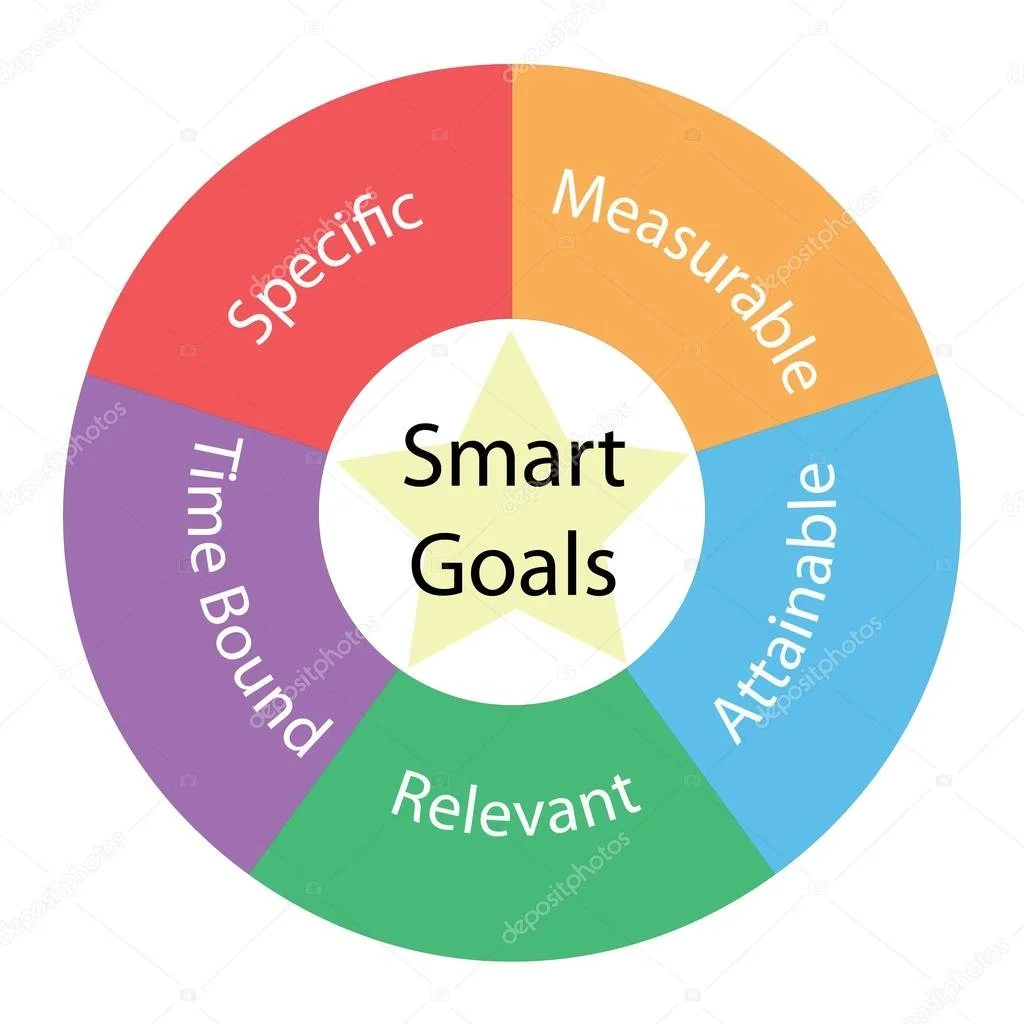
Let’s look at what SMART goals are. Smart goals are
S- Short and Specific. They are clear. This helps to provide a sense of direction. For example, I want to improve my relaxation and communication skills. More specific would be to say, “I want to communicate in a calm and clearer manner by such a date and develop more patience as my relationships will improve”. It is intentional.
M- Measurable. i.e if I finish my degree I will get a pay increase. This would be measured in dollars. i.e i will be satisfied when I lose wight. This would be measured in pounds. i.e I will be healthy if I run more. This would be measured in kilometres. Measurable goals increase motivation as you can see results, which can feel rewarding.
A- Achievable- They are based in reality and very possible. Try aiming for attainable goals that are realistic. Setting the bar too high can lead to disappointment and frustration, which can lead to throwing in the towel and giving up altogether leading to burnout. This is very self-defeating. Meeting realistic goals that are achievable will also do wonders for your self-esteem and boost your overall level of self-confidence.
R- They are realistic and relevant to your life and what matters to you the most. This aligns well with being able to see the big picture and how these goals fit into the overall direction and sense of your life. If your goal is to become a civil engineer, it really doesn’t make sense and isn’t relevant if you spend hours practicing and perfecting your ping pong abilities instead of studying.
T- They are time-bound. There is a deadline to achieve the goal providing a framework. Deadlines help to prevent procrastination and lead to accountability finalizing the end result. There is no grey areas such as, “eventually it’ll get done”. Eventually is too vague and can lead you on a path to nowhere. Pull out your agenda and get an overview. Set some different deadlines you can jot down. This will help you stick with a schedule.
This simple acronym has proven to be effective since the early eighties and was introduced by Doran and many have applied and worked with this simple but powerful system to improve their personal lives and work lives as well. Originally it was designed for managers, but many people started to apply it and were happy with the results. What makes it more concrete is being able to see the forest for the trees and having a well-defined plan of action bringing goals and objectives into reality in a concrete way.
SMART goals can help you avoid wasting time and help prioritize your focus. Everything becomes clearer. The ability to measure progress can drive your motivation as it is uplifting to see results. This leads to more focused effort. Structured goal setting increases the chance for success as it is very intentional.
So go ahead and make use of the SMART goal system. Once you feel and see the achievement, your self-confidence and self-worth will improve. SMART goals can also be applied to your therapeutic goals as well and lead to overall mental health and wellness.
SMART goals can be applied to very different goals, facilitating personal growth and even enhancing mental health and wellness.